%20-%20TRANSPARENT2a.png)
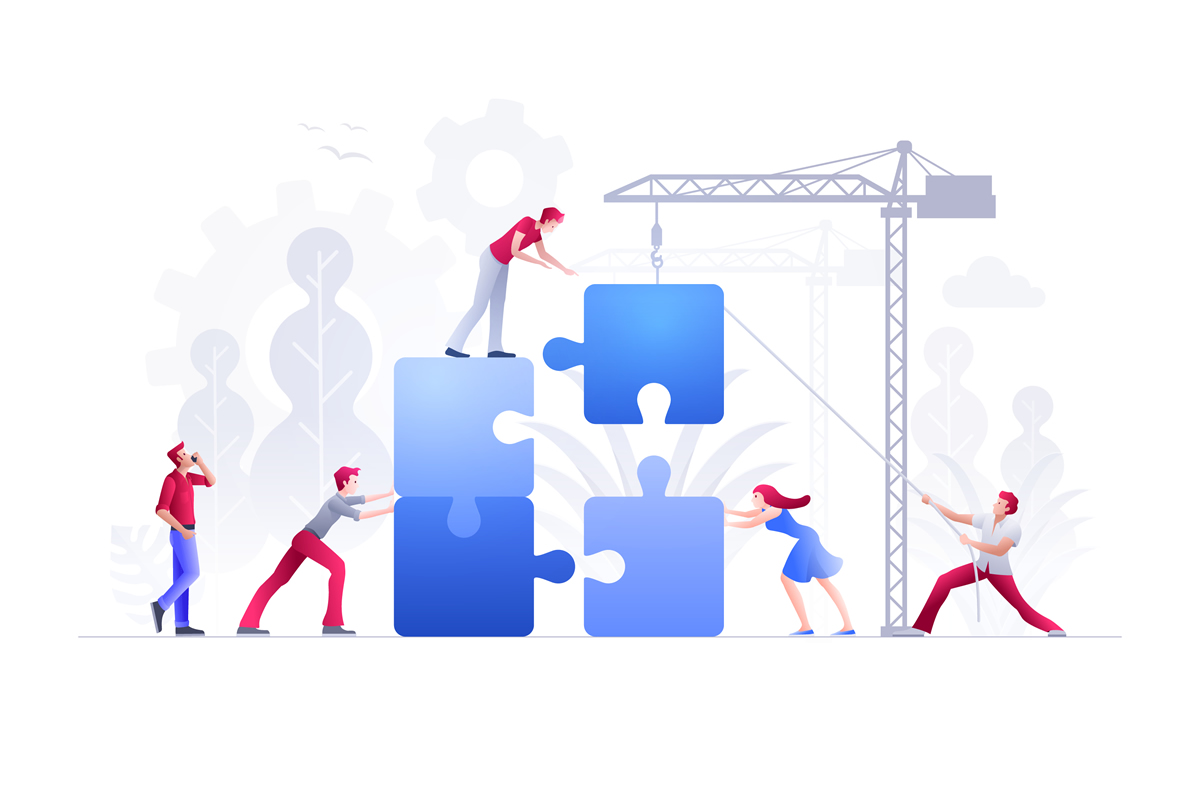
Every community has something powerful: caring people and valuable resources working to make life better. Churches support families. Nonprofits step in during tough times. Healthcare providers improve well-being. Schools nurture children. Businesses give back locally. Government agencies and funders keep vital programs running.
But here's the challenge — these organizations often work in silos.
When efforts aren't connected, services can overlap, gaps go unnoticed, and people can fall through the cracks. Organizations pour their hearts into their work, but the community misses out on what's possible when everyone pulls together.
It doesn't have to be this way.
The Connected Communities Framework is a practical, people-centered blueprint that helps communities move from working alone to working together. It weaves together relationships, technology, and shared strategy so communities can pursue common goals, make the most of their resources, track real progress, and change more lives for the better.
Real, lasting change in a community doesn't come from one organization, one program, or one big idea. It happens when people from all walks of life build trust with one another, connect their efforts, and commit to a shared path forward — together.
That's exactly what the Connected Communities Framework supports. It's built around seven essential elements that help make this kind of collaboration a reality.
Every connected community starts with one simple but powerful question:
What kind of community do we want to become?
When churches, nonprofits, healthcare providers, schools, businesses, government agencies, and funders come together around a shared vision, something special happens. Leaders begin to look beyond their own organization's goals and start dreaming about what they could achieve side by side.
A clear, common vision gives everyone a reason to move in the same direction — and that's where the magic begins.
The result: A community brought together by a shared sense of purpose.
Trust is at the heart of every thriving community.
Technology can connect information, but relationships truly connect people. Community leaders need regular opportunities to meet in person, learn about each other's work, and build genuine partnerships.
When leaders come together consistently, good things happen:
As trust deepens, organizations stop seeing each other as competitors and start showing up as true partners.
The result: Meaningful relationships that lay the foundation for real, lasting collaboration.
Meetings are a great start, but staying connected between them is just as important.
The right tools and systems make it easier for organizations to communicate, coordinate care, and track progress every day — not just when everyone's in the same room. This might look like:
When technology is used well, it turns good intentions into real, coordinated action that makes a difference.
The result: A community that stays connected and supported around the clock.
No single organization can meet every need — and that's okay.
In a truly connected community, every partner brings something unique to the table. Together, you can see what services are available, who is best placed to help, whether support has already been provided, and how people are progressing over time.
This makes it so much easier to connect individuals and families with the right resources at exactly the right moment.
The result: Less duplication, faster help, and better outcomes for everyone.
Collaboration is so much more powerful when everyone is working from the same playbook.
A shared strategy helps partners align on immediate needs, long-term goals, individual roles, and community priorities. Rather than offering disconnected services, organizations can work together to build clear pathways that help people move from crisis to stability—and from stability toward hope, purpose, and true thriving.
This doesn't mean every organization loses its unique identity or mission. It simply means that every partner can see how their work fits into something bigger — a community-wide effort where everyone belongs and every contribution counts.
The result: Every organization plays a meaningful role in a shared vision for a stronger community.
For a long time, communities have focused on measuring activity:
These numbers matter, but they tell only part of the story. Connected communities go a step further — they measure whether lives are actually changing for the better.
They ask questions like:
When organizations track these outcomes together, leaders and funders get a clearer picture of what's working—and where a little more love and support is needed.
The result: Progress becomes something you can see, measure, celebrate, and build on together.
Great communities never stop getting better — and neither do great partnerships.
Partners regularly come together to review what the data is telling them, celebrate wins big and small, spot gaps in services, and share what's working. Everything they learn feeds right back into the work, making the next round of action even stronger.
This spirit of continuous learning keeps the whole framework moving forward in a beautiful cycle:
Shared Vision → Trusted Relationships → Connected Infrastructure → Coordinated Care → Shared Strategy → Measurable Outcomes → Continuous Learning → Greater Community Impact
With each turn of this cycle, trust deepens, collaboration flourishes, resources go further, and real change becomes easier to see.
The result: A community network that gets a little stronger — and a little more connected — every single year.
Everything in this framework comes down to three core pillars that work hand in hand:
Great things happen when people and organizations come together around a shared mission. When trust is built, honest conversations flow naturally, learning is shared openly, and partnerships grow stronger over time.
The right tools make everyday collaboration feel effortless. Technology and systems help partners stay in touch, coordinate services, share resources, and track progress—so nothing falls through the cracks.
When everyone is working toward the same goals, incredible things become possible. A shared strategy gives community partners a clear picture of where they're headed and how each organization plays a meaningful part in getting there.
When these three pillars come together, communities are empowered to:
The Connected Communities Framework is a practical, people-first model that brings churches, nonprofits, healthcare providers, schools, businesses, government agencies, and funders together. By building trusted relationships, sharing the right tools, and working toward a common goal, communities can create real, lasting change — together.
The good news? Your community already has everything it needs to get started — passionate people, dedicated organizations, and valuable resources just waiting to be connected. The real opportunity is to unite them around a shared vision and give them the tools and strategy to truly thrive together.
Building a connected community is a long-term journey, not an overnight fix. It takes vision, leadership, trust, and commitment. But the most meaningful journeys always begin with a single, simple conversation.
So, what could your community achieve if everyone worked together toward a common goal? The possibilities are endless!
We'd love to help you connect your community for greater impact — let's take that first step together.
Contact us at Simon Solutions, www.simonsolutions.com or give us a call at 256-764-0633
