%20-%20TRANSPARENT2a.png)

Community development has always been an important aspect of society. Strong communities are essential for the well-being and growth of their members, as they provide opportunities for social support, economic prosperity, and overall quality of life.
However, traditional methods of community development have often fallen short in achieving sustainable and effective results. In recent years, there has been a shift towards a more collaborative approach to community development.
This new model emphasizes the importance of cross-sector collaboration, networking technology, and a partnering impact strategy to create lasting change. In this document, we will explore how these three elements work together to transform communities and build a better future for all.
One key element of modern community development is strategic collaboration.
At Simon Solutions, we believe communities already have the compassion, resources, and people needed to solve their biggest challenges. What’s often missing is connection.
Founded in 2006 in Florence, Alabama, Simon Solutions is a technology and community-impact organization dedicated to helping churches, nonprofits, and community partners work together instead of alone.
Our tools help agencies serve people faster, avoid duplication, and clearly see the difference they are making. By connecting community leaders and organizations, we help communities tackle challenges like poverty, hunger, and homelessness with greater unity, compassion, and lasting results.
Over the past 20 years, we’ve had the privilege of working alongside communities across the country. We've learned that when collaboration, technology, and a unified strategic vision come together, communities can truly transform lives.
Across the country, communities are working tirelessly to help people in need. Yet despite the dedication of thousands of organizations and volunteers, many communities still struggle to make lasting progress on issues like poverty and hunger.
One of the biggest reasons is fragmentation.
The very agencies working to help people are often operating in isolation rather than collaborating. Each organization does its best within its own programs, but without coordination, gaps and duplication appear.
Community consultant Peter Block describes the core challenge clearly: The essential task of community building is transforming isolation into connectedness and caring for the whole.
Similarly, community collaboration expert Dr. Tom Wolff reminds us that today's complex social problems cannot be solved by a handful of experts sitting in a room and dictating solutions.
Real change requires something much bigger. It requires community-wide collaboration.
Communities must come together—meeting regularly, sharing insights, coordinating efforts, and building trust across sectors. Churches, nonprofits, businesses, foundations, and government agencies all have a role to play.
When every part of the community is engaged, the path to lasting change becomes possible.
Another challenge many communities face is focusing on isolated programs rather than on the number of people experiencing lasting transformations.
Too many efforts help people get by, but not enough help them get ahead.
Siloed services and disconnected referral systems create barriers that make it harder for people to find the help they need. Someone seeking assistance may be sent from one agency to another without clear communication or coordination.
Meanwhile, many communities already have the resources needed to help people move forward. The challenge is that these resources often remain unconnected.
When organizations operate independently, the community’s full caring power is never fully realized. But when those same organizations align their efforts, share information, and collaborate intentionally, something powerful happens.
Impact multiplies.
Funders—donors, foundations, businesses, and government agencies—are also reshaping how communities approach these challenges.
For decades, success was often measured by the number of programs delivered or people served.
But today, that’s no longer enough.
Funders are asking deeper questions:
This shift is often called the “What Works Movement.”
The focus is clear: identify strategies that truly work—and scale them so more people benefit.
To keep pace with this shift, communities must adopt data-driven approaches that track outcomes, measure progress, and demonstrate real transformation.
Funders are encouraging communities to move:
Communities that embrace these shifts are seeing stronger partnerships and better outcomes.
After two decades of walking alongside communities, we’ve seen that real transformation requires three things working together: Collaboration. Technology. Strategy.
One of the most effective ways communities begin this journey is through Care Collaborative gatherings.
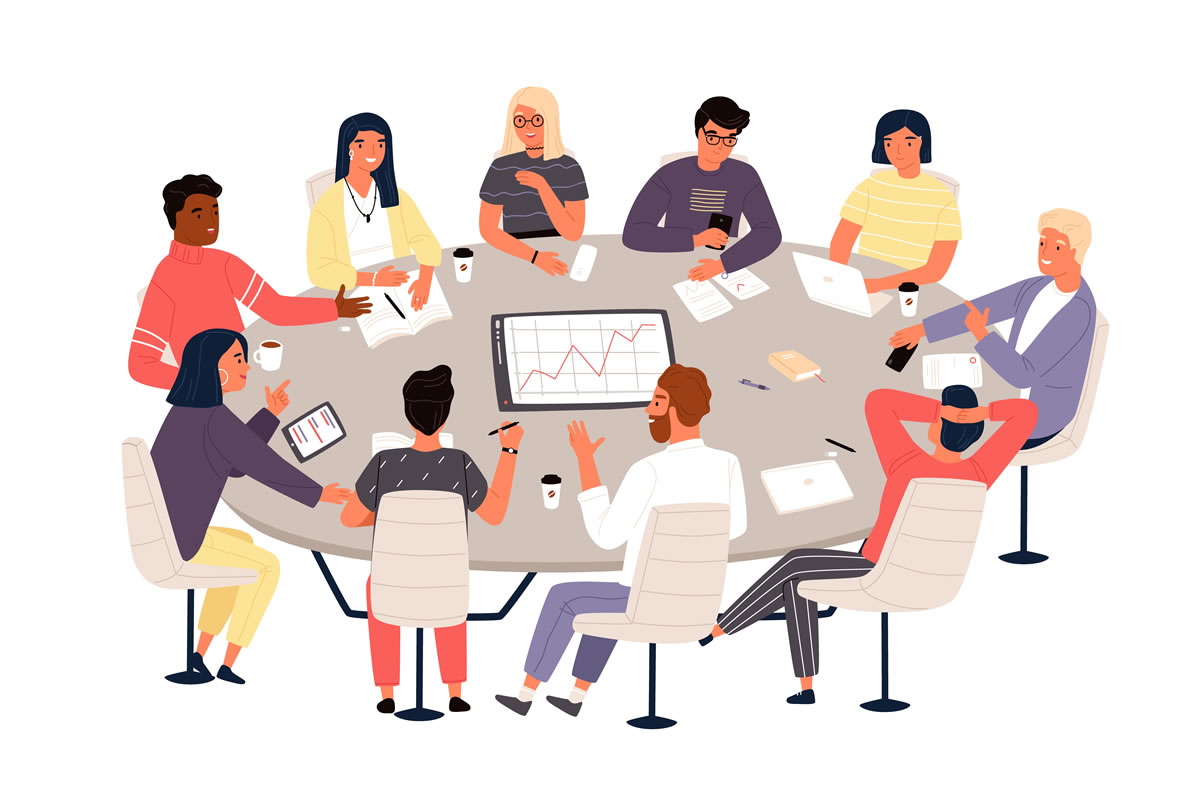
This is where cross-sector communication and cooperation really begins. These monthly meetings bring together agencies from across the community to build relationships, share openly, and strengthen partnerships.
Over time, something remarkable happens. Trust grows. Barriers fall.
And what begins as a meeting becomes a movement—that drives community impact.
True collaboration doesn’t happen overnight. It takes months—sometimes years—to build strong relationships and a shared vision. But when it happens, the results are powerful:
While relationships are the foundation, communities also need tools that support increase communication, effective cooperation, and cross-sector collaboration.
That’s where CharityTracker comes in.

CharityTracker is a secure technology platform that keeps helping agencies connected 24 hours a day, seven days a week.
It allows organizations to:
Launching a care network can happen quickly. But growing it into a unified community movement requires leadership, commitment, and time.
Cities like Huntsville, Alabama, and Charleston, South Carolina, demonstrate what’s possible. In each community, nearly 400 agencies collaborate through shared systems and relationships to serve people more effectively.
Their success is inspiring communities across the country.
Collaboration and technology are powerful tools. But they work best when guided by a clear, shared strategy.
That strategy is called the Transformation Roadmap.
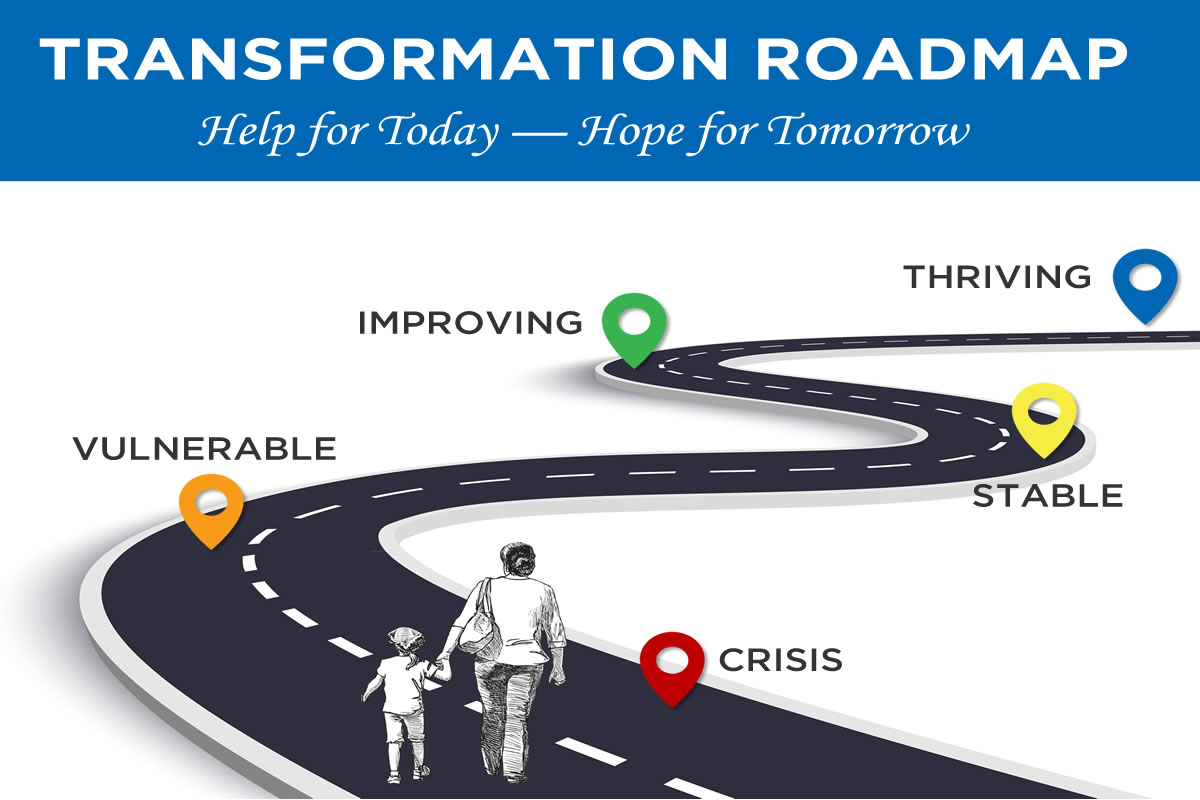
This roadmap provides a structured path that helps communities move people toward a better life.
It answers a question every community wrestles with:
How do we help people move from crisis to stability—and from stability to purpose and hope?
The Transformation Roadmap outlines five key stages of progress:
This approach recognizes an important truth:
Helping people once is not enough. Real transformation happens when communities provide relationships, tools, and opportunities that allow people to move forward.
It’s the difference between giving someone temporary relief and helping them build a sustainable future.
When collaboration, technology, and strategy align, communities move beyond traditional approaches to social services.
Compassion becomes coordinated action. Partners stay aligned. Progress becomes visible. Impact grows.
Churches, nonprofits, government agencies, and businesses begin working as one connected network focused on a shared mission: meeting urgent needs today while building lasting hope for tomorrow.
And when communities work this way, something extraordinary happens.
People don't just survive. They begin to thrive.
In conclusion, it is clear that coordinating efforts and working together as a network is crucial in addressing urgent needs and creating lasting change in our communities.
By combining resources and aligning missions, organizations can have a greater impact on those in need and create a sense of hope for the future.
It is important for all members of society - individuals, churches, nonprofits, government agencies, and businesses - to come together and collaborate towards a common goal.
Only then can we truly make a difference in the lives of those facing challenges and create thriving communities where everyone has the opportunity to flourish.
Let us continue to push beyond traditional approaches and embrace coordinated action to build a better tomorrow for all.
So let's join hands and work towards a better future for all.
